Table of Contents
An integral component of experiencing trauma is feeling various from others, whether or not the injury was a private or team experience. Survivors often think that others will certainly not totally comprehend their experiences, and they may assume that sharing their feelings, thoughts, and reactions connected to the injury will drop short of expectations.
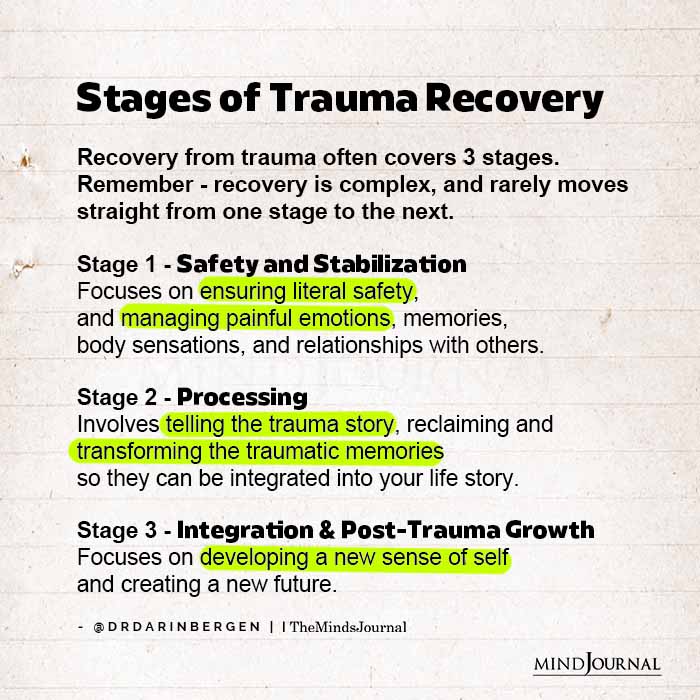
The kind of injury can dictate how an individual really feels different or thinks that they are different from others. Traumas that create pity will commonly lead survivors to really feel even more alienated from othersbelieving that they are "harmed products." When individuals believe that their experiences are special and incomprehensible, they are much more likely to seek assistance, if they seek assistance in all, just with others who have actually experienced a similar trauma.
A recall is reexperiencing a previous traumatic experience as if it were really occurring in that minute. It consists of responses that frequently look like the customer's reactions throughout the trauma.
Combining EMDR Therapy with Other Healing Techniques
Other times, specific physical states raise a person's vulnerability to reexperiencing an injury, (e.g., tiredness, high anxiety levels). Flashbacks can really feel like a brief motion picture scene that intrudes on the customer.
If a customer is activated in a session or during some facet of treatment, help the client focus on what is occurring in the below and currently; that is, make use of basing techniques., for even more grounding techniques).
Later, some customers require to discuss the experience and recognize why the recall or trigger happened. It usually helps for the client to attract a connection between the trigger and the distressing occasion(s). This can be a precautionary strategy whereby the client can expect that an offered circumstance places him or her at higher threat for retraumatization and calls for use of dealing strategies, consisting of looking for assistance.
Understanding Innate Neural Network within EMDR Treatment
Dissociation is a mental process that severs connections among an individual's ideas, memories, sensations, actions, and/or sense of identity. Most of us have experienced dissociationlosing the capacity to remember or track a particular activity (e.g., arriving at job yet not bearing in mind the last minutes of the drive). Dissociation occurs due to the fact that the individual is engaged in an automated activity and is not taking notice of his or her immediate environment.
Dissociation aids distance the experience from the person. Individuals who have experienced serious or developing trauma may have discovered to divide themselves from distress to make it through.
As an example, in non-Western societies, a sense of alternating beings within oneself might be taken being occupied by spirits or ancestors (Kirmayer, 1996). Other experiences linked with dissociation consist of depersonalizationpsychologically "leaving one's body," as if enjoying oneself from a range as an observer or with derealization, bring about a sense that what is taking location is unfamiliar or is not real.
How Resolution Therapy Provides Accelerated Results for Anxiety therapy
One significant long-term effect of dissociation is the difficulty it causes in attaching strong psychological or physical reactions with an occasion. Typically, people may think that they are going bananas since they are not in contact with the nature of their responses. By informing customers on the durable qualities of dissociation while also emphasizing that it stops them from addressing or validating the injury, people can begin to understand the role of dissociation.
Stressful stress responses vary extensively; usually, people engage in habits to manage the effects, the intensity of feelings, or the distressing aspects of the terrible experience. Some people reduce stress or stress through avoidant, self-medicating (e.g., alcohol abuse), uncontrollable (e.g., overindulging), impulsive (e.g., high-risk behaviors), and/or self-injurious actions. Others might attempt to obtain control over their experiences by being hostile or subconsciously reenacting elements of the injury.
Commonly, self-harm is an attempt to deal with psychological or physical distress that appears frustrating or to manage a profound sense of dissociation or being trapped, helpless, and "damaged" (Herman, 1997; Santa Mina & Gallop, 1998). Self-harm is related to previous childhood sexual assault and other forms of injury along with compound misuse.
When ART Achieves Accelerated Results for Anxiety therapy
Marco, a 30-year-old male, looked for treatment at a local psychological health center after a 2-year bout of anxiousness signs. He was an active member of his church for 12 years, yet although he sought help from his pastor concerning a year ago, he reports that he has had no call with his priest or his church because that time.
He describes her as his soul-mate and has actually had a difficult time recognizing her actions or exactly how he could have prevented them. In the first intake, he mentioned that he was the first individual to locate his spouse after the suicide and reported sensations of dishonesty, pain, anger, and devastation considering that her death.

Navigation
Latest Posts
Youth Therapy Programs: Processing Teenage Struggles
The Cost of Hiding in Autistic Women
Healing Anxiety with Eye Movement Desensitization and Reprocessing for EMDR therapy